I’ve sat across from a lot of clients who have tried everything — different cleansers, different serums, different spot treatments — and nothing works. Their skin just won’t budge. More often than people realize, the answer isn’t a new acne product. The answer is that it isn’t acne at all. Fungal acne is one of the most commonly overlooked skin conditions I see, and once we identify it, everything changes — because the approach is completely different.
Fungal acne looks almost identical to bacterial acne, but responds to treatment in the exact opposite way. Standard acne products don’t just fail on fungal acne — they can actively make it worse. Understanding which one you’re dealing with is the single most important step toward clearing your skin.
First: What Is Fungal Acne?
Despite its name, fungal acne isn’t really acne at all. The clinical term is Malassezia folliculitis — an overgrowth of Malassezia, a yeast that naturally lives on everyone’s skin. Under normal conditions, Malassezia is harmless. But when the balance of the skin’s microbiome tips — due to humidity, antibiotics, heavy skincare products, a compromised barrier, or prolonged sweating — Malassezia proliferates inside the hair follicles and triggers inflammation.
Bacterial acne, by contrast, is caused by Cutibacterium acnes (formerly P. acnes) — a bacterium that thrives in clogged pores where oxygen is limited.
How to Tell the Difference
- Location: Bacterial acne tends to appear on the T-zone, chin, and jawline. Fungal acne most commonly appears on the forehead, cheeks, chest, back, and upper arms.
- Uniformity: Bacterial acne is varied in size and type. Fungal acne presents as clusters of small, uniform, itchy bumps.
- Itchiness: Bacterial acne rarely itches; fungal acne frequently does.
- Response to treatment: If standard acne products aren’t working — or are making things worse — fungal acne is likely.
- Relationship to heat/sweat: Fungal acne flares with exercise, summer heat, and humidity.
Why Standard Acne Products Make Fungal Acne Worse
Malassezia is a lipid-dependent yeast — it feeds on fatty acids and oils, specifically those with a carbon chain length between C11 and C24. This covers the majority of oils in conventional skincare including coconut oil, olive oil, argan oil, and many others. Beyond oils, fermented ingredients, certain esters, and polysorbates can also trigger or worsen Malassezia overgrowth.
Building a Malassezia-Safe Routine
Managing fungal acne requires a fundamentally different framework. The goal is to starve the yeast, support the skin barrier, and restore microbiome balance.
Key product categories:
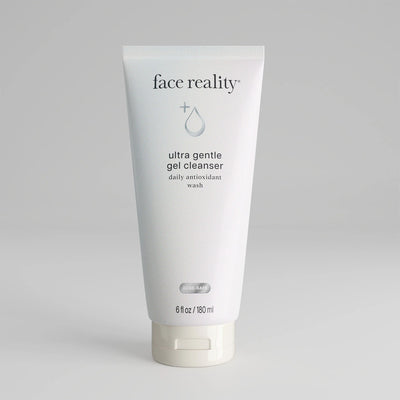
- Cleansing: Face Reality Ultra Gentle Cleansing Gel
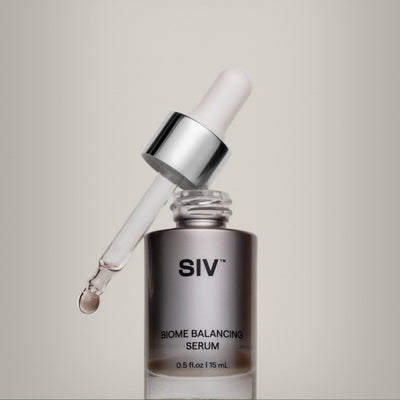
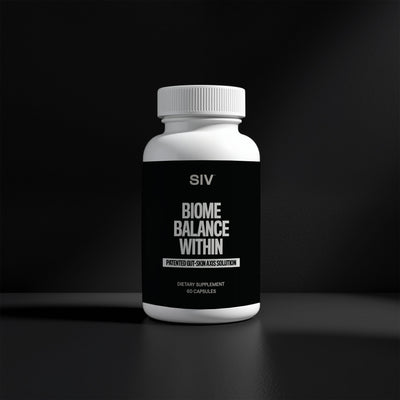
- Barrier/microbiome support: SIV Biome Balancing Serum
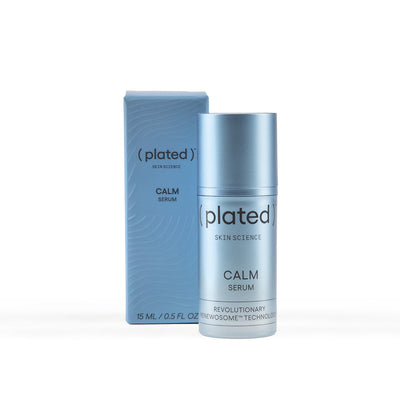
- Calming: Plated CALM Serum
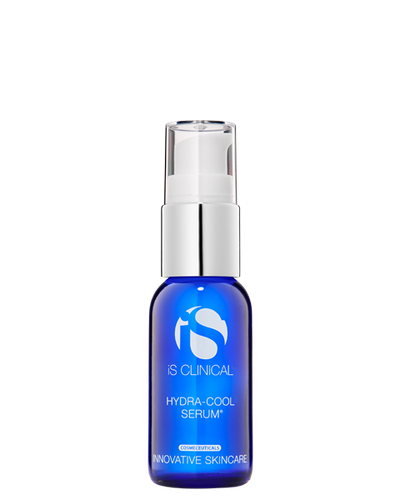
- Hydration: Hydra Cool Is Clinical
- Exfoliation: Face Reality Mandelic Serum
- Spot treatment: Face Reality Sulfur Spot Treatment
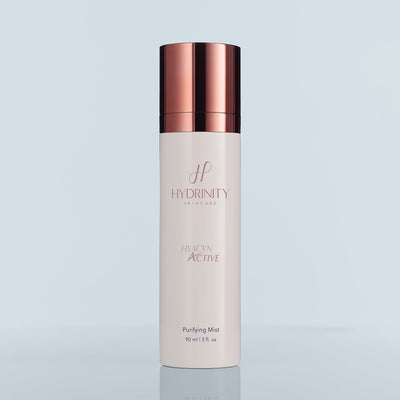
- Cleansing Mist: Hydrinity Hyacyn Mist
Treatment Plans for Fungal Acne
- Foundation level — consultation and routine overhaul
- Elevated level — series of low-to-no downtime peels
- Advanced level — microneedling series (after active infection is cleared)
- See the recommended routine below to get started
Ready to Figure Out What’s Actually Going On With Your Skin?
Book your consultation at Sitko Skin and let’s get to the bottom of it.