Rosacea is one of the most misunderstood skin conditions out there. Many people chalk up persistent redness, bumps, or visible vessels to sensitive skin or adult acne — never realizing there's a name for what they're experiencing, and more importantly, a path forward. Rosacea affects an estimated 16 million Americans, and while there's no permanent cure, understanding your specific subtype is the first step toward real, lasting improvement.
At Sitko Skin, I see rosacea regularly — and I've helped countless clients bring it under control with the right combination of professional treatments, targeted skincare, and smart lifestyle habits.
The Four Subtypes of Rosacea
The National Rosacea Society classifies rosacea into four distinct subtypes. Many people present with more than one at the same time, which is why a personalized assessment is always the best starting point.
Subtype 1: Erythematotelangiectatic Rosacea (ETR)
ETR is the most common subtype and is characterized by persistent facial redness, flushing, and visible blood vessels (telangiectasia). The central face — cheeks, nose, and chin — is typically most affected. Skin is often sensitive, easily reactive, and prone to stinging or burning when products are applied. People with ETR frequently report that heat, exercise, spicy food, or emotional stress can send their skin into a flare.
This is a highly treatable subtype, and it's one I work with extensively at Sitko Skin.
Subtype 2: Papulopustular Rosacea (PPR)
PPR is often mistaken for adult acne because it presents with red bumps (papules) and pus-filled lesions (pustules) — usually centered on the cheeks, chin, and forehead. Unlike acne, PPR does not typically involve blackheads or whiteheads, and the surrounding skin tends to be persistently red and inflamed. It can be frustrating to manage because many conventional acne products are far too harsh and can actually make it worse.
Like ETR, PPR responds well to a thoughtful professional approach.
Subtype 3: Phymatous Rosacea
Phymatous rosacea involves thickening and irregular texture of the skin, most commonly on the nose (a condition known as rhinophyma), but it can also affect the chin, forehead, cheeks, and ears. The skin takes on a bumpy, enlarged, almost waxy appearance over time. This subtype is far more common in men and tends to develop slowly over years.
Phymatous rosacea requires more advanced intervention than esthetics alone can provide. If this sounds like what you're experiencing, I strongly encourage you to seek evaluation and guidance from a board-certified dermatologist.
Subtype 4: Ocular Rosacea
Ocular rosacea affects the eyes and eyelids, causing redness, dryness, irritation, a gritty or burning sensation, and in some cases, blurred vision. It's estimated that more than half of all rosacea sufferers experience some degree of ocular involvement, yet it often goes undiagnosed. Left untreated, it can affect vision long-term.
This subtype requires the expertise of an eye care professional — not an esthetician.
Deep Dive: Managing ETR and PPR at Sitko Skin
For clients dealing with subtype 1 (ETR) or subtype 2 (PPR), there is genuinely so much that can be done. The key is building a consistent, layered approach — one that addresses both what's happening on the surface and what's driving the inflammation underneath.
Step One: New Client Consultation
Every rosacea journey at Sitko Skin starts with a new client consultation. No two rosacea cases are identical. During your consultation, I'll assess your subtype, identify your triggers, review your current skincare routine for anything that may be worsening your condition, and map out a realistic treatment and product plan.
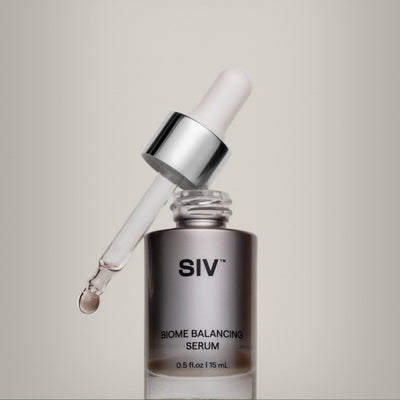
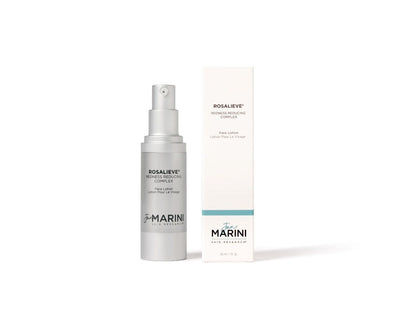
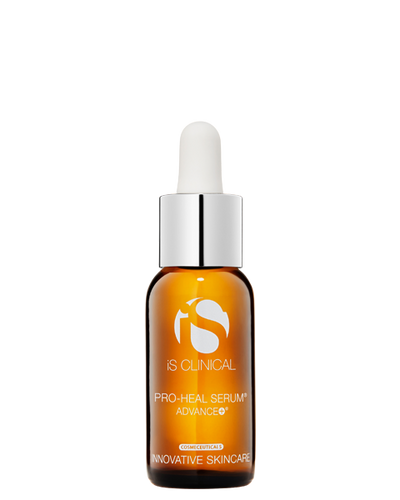
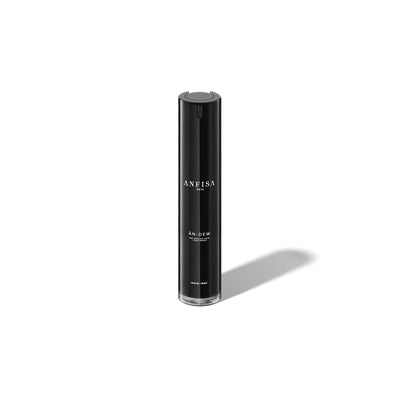
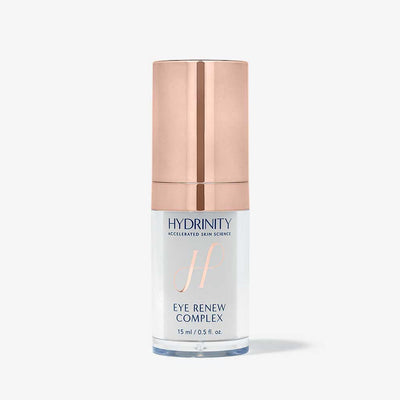
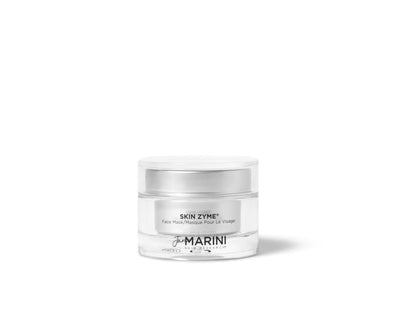
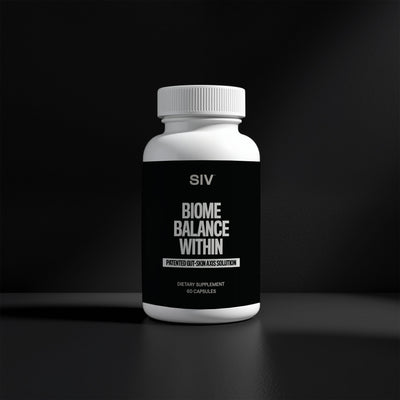
Product Bundles for Rosacea-Prone Skin
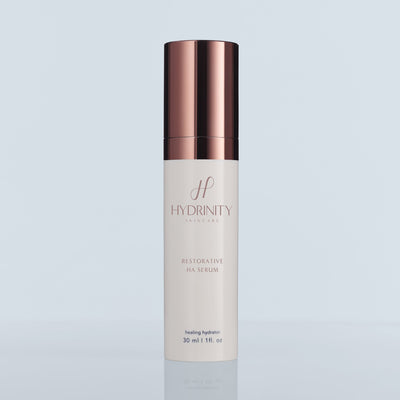
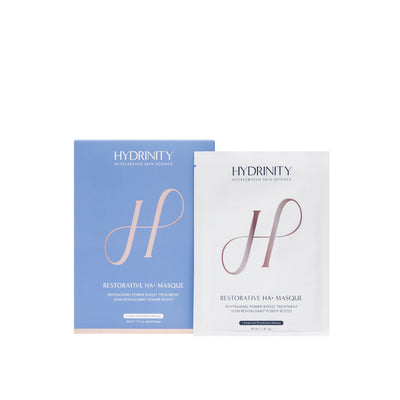
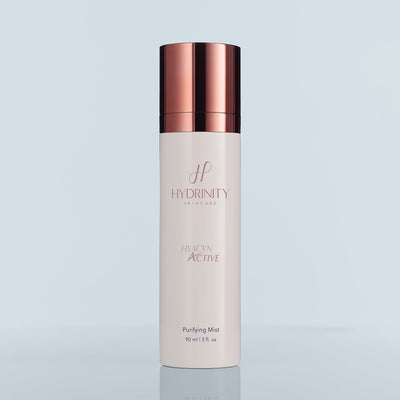
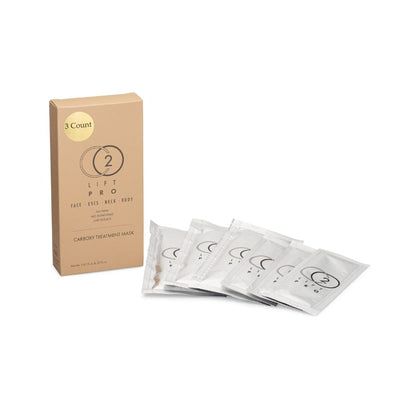
A consistent home care routine is the foundation of rosacea management. For ETR and PPR clients, I focus on barrier repair, anti-inflammatory actives, and diligent sun protection.
Treatment Plans
Professional treatments accelerate everything. Here's how I think about the treatment journey for rosacea clients at different investment levels:
- Foundation level — ongoing consultations and product optimization
- Elevated level — professional treatments added in
- Advanced level — microneedling series
Lifestyle and External Triggers: What to Watch For
No skincare routine or treatment plan works in isolation. Rosacea is a condition that responds dramatically to lifestyle — and getting your triggers under control is just as important as what you put on your skin.
Key triggers include: sun exposure, heat, exercise, diet, stress, sensitizing skincare ingredients, and cold/wind.
Ready to Get Started?
If any of this resonates with you, the best next step is simply booking a consultation.
Book your consultation at Sitko Skin and let's build a plan that works for your skin.